
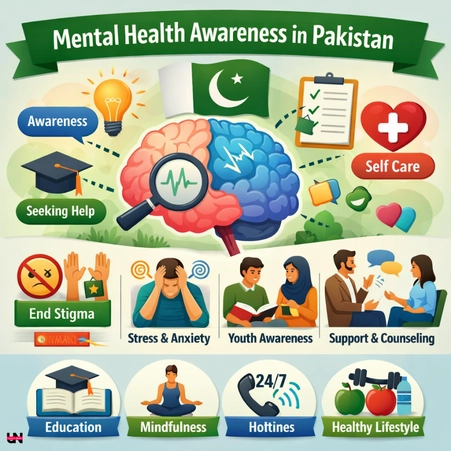
In recent years, mental health has become an increasingly important topic in Pakistan. For decades, discussions about mental health were often avoided due to stigma, cultural barriers, and limited awareness. Many people viewed mental health problems as personal weaknesses rather than medical conditions that require proper treatment and support.
However, attitudes are gradually changing. Today, more people in Pakistan are openly discussing mental health challenges such as anxiety, depression, and stress. Educational institutions, healthcare professionals, social media platforms, and advocacy groups are playing important roles in promoting awareness and encouraging individuals to seek help.
As a result, mental health awareness in Pakistan is growing steadily, helping people understand the importance of psychological well-being and emotional balance. This shift reflects broader changes in society, where mental health is now being recognized as an essential part of overall health.
Understanding Mental Health
Mental health refers to a person’s emotional, psychological, and social well-being. It affects how individuals think, feel, and behave in everyday life. Mental health also influences how people handle stress, interact with others, and make decisions.
Common mental health conditions include:
- Anxiety disorders
- Depression
- Stress-related disorders
- Post-traumatic stress disorder (PTSD)
- Bipolar disorder
When mental health problems are not properly addressed, they can affect relationships, productivity, and overall quality of life. Increasing awareness helps people recognize symptoms early and seek professional support.
The Role of Education in Promoting Mental Health Awareness
Education has played a major role in increasing awareness about mental health in Pakistan. Schools and universities are gradually introducing discussions about mental health in academic programs, workshops, and counseling services.
Students are now encouraged to talk openly about academic pressure, emotional challenges, and personal struggles. Many universities have established counseling centers where students can seek confidential guidance from trained professionals.
Educational seminars and workshops help students understand that mental health conditions are common and treatable. These initiatives also teach coping strategies such as stress management, time management, and emotional resilience.
By educating young people about mental health, institutions are helping create a generation that is more informed and supportive of mental health issues.
Social Media and Public Awareness
Social media has significantly contributed to the rise of mental health awareness in Pakistan. Platforms such as Facebook, Instagram, and YouTube allow psychologists, activists, and influencers to share information about mental health topics with a wide audience.
Online campaigns, awareness posts, and educational videos help break long-standing stigmas surrounding mental health. Many individuals share personal experiences about anxiety, depression, or therapy, encouraging others to seek help without fear or embarrassment.
Social media has also helped connect people with mental health resources, including counseling services, support groups, and helplines.
Changing Cultural Attitudes
Traditionally, mental health issues in Pakistan were often misunderstood or ignored. Cultural norms sometimes discouraged people from discussing emotional struggles openly. Instead, individuals were expected to handle their problems privately.
However, societal attitudes are slowly evolving. Many families now recognize that mental health problems are medical conditions rather than signs of weakness.
Religious scholars, community leaders, and educators are also contributing to this change by emphasizing compassion, understanding, and support for individuals facing psychological challenges.
As these perspectives become more widely accepted, stigma surrounding mental health continues to decline.
Influence of Healthcare Professionals
Psychologists, psychiatrists, and mental health professionals are playing a crucial role in promoting awareness across Pakistan. Through clinics, hospitals, and online consultations, they provide guidance and treatment for individuals experiencing mental health issues.
Healthcare professionals also participate in awareness campaigns, seminars, and television programs to educate the public about the importance of mental health care.
One important organization contributing to mental health advocacy is Pakistan Psychiatric Society, which works to improve mental health services and promote awareness throughout the country.
These efforts help people understand that seeking therapy or counseling is a normal and beneficial step toward better well-being.
Impact of the COVID-19 Pandemic
The COVID-19 pandemic had a significant impact on mental health worldwide, including in Pakistan. Lockdowns, financial stress, social isolation, and uncertainty increased levels of anxiety and depression among many individuals.

During this period, mental health became a widely discussed topic in the media and public conversations. Many people began recognizing the importance of emotional well-being and psychological support.
The pandemic also accelerated the growth of online counseling and teletherapy services, making mental health care more accessible to people across different regions of Pakistan.
Role of NGOs and Advocacy Groups
Non-governmental organizations (NGOs) have played an important role in raising mental health awareness in Pakistan. These organizations conduct workshops, awareness campaigns, and community outreach programs to educate people about mental health issues.
One prominent organization working in this field is Rozan, which focuses on mental health, emotional well-being, and social development.
Such initiatives help reach communities that may otherwise have limited access to mental health education or services.
Mental Health in the Workplace
Another factor contributing to increased mental health awareness is the growing focus on mental health in workplaces. Employers are beginning to recognize that employee well-being directly affects productivity, creativity, and job satisfaction.
Many companies now provide employee assistance programs, stress management workshops, and flexible working arrangements to support mental health.
Workplace initiatives encourage employees to speak openly about stress and seek support when needed, helping create healthier professional environments.
Challenges That Still Remain
Despite significant progress, several challenges continue to affect mental health awareness and treatment in Pakistan.
Limited Access to Mental Health Services
Many rural areas lack trained mental health professionals and proper healthcare facilities.
Social Stigma
Although awareness is improving, stigma around mental illness still exists in some communities.
Shortage of Professionals
Pakistan faces a shortage of psychiatrists, psychologists, and trained counselors compared to the population’s needs.
Financial Barriers
Mental health treatment can be expensive, making it difficult for some individuals to access professional care.
Addressing these challenges will require continued investment in healthcare infrastructure, education, and public mental health awareness programs.
The Future of Mental Health Awareness in Pakistan
The future of mental health awareness in Pakistan looks promising. Increasing education, social media influence, and government initiatives are likely to continue promoting open conversations about mental health.
More universities are establishing counseling centers, and healthcare institutions are expanding mental health services. Online therapy platforms are also making it easier for individuals to access support from trained professionals.
As mental health awareness continues to grow, is expected to become a central part of public health policies and social discussions in Pakistan.
Conclusion
The rise of mental health awareness in Pakistan reflects an important shift in societal attitudes toward psychological well-being. Education, social media, healthcare professionals, and advocacy groups are all contributing to greater understanding and acceptance of mental health issues.
Although challenges remain, the increasing willingness to discuss mental health openly is a positive step toward a healthier and more supportive society. By continuing to promote mental health awareness and improving access to mental health services, Pakistan can ensure that individuals receive the care and support they need to lead balanced and fulfilling lives.
Stay connected with Update News for news you can rely on!